
Buying a Home in Rhode Island: 7 Things No One Tells You Before You Start

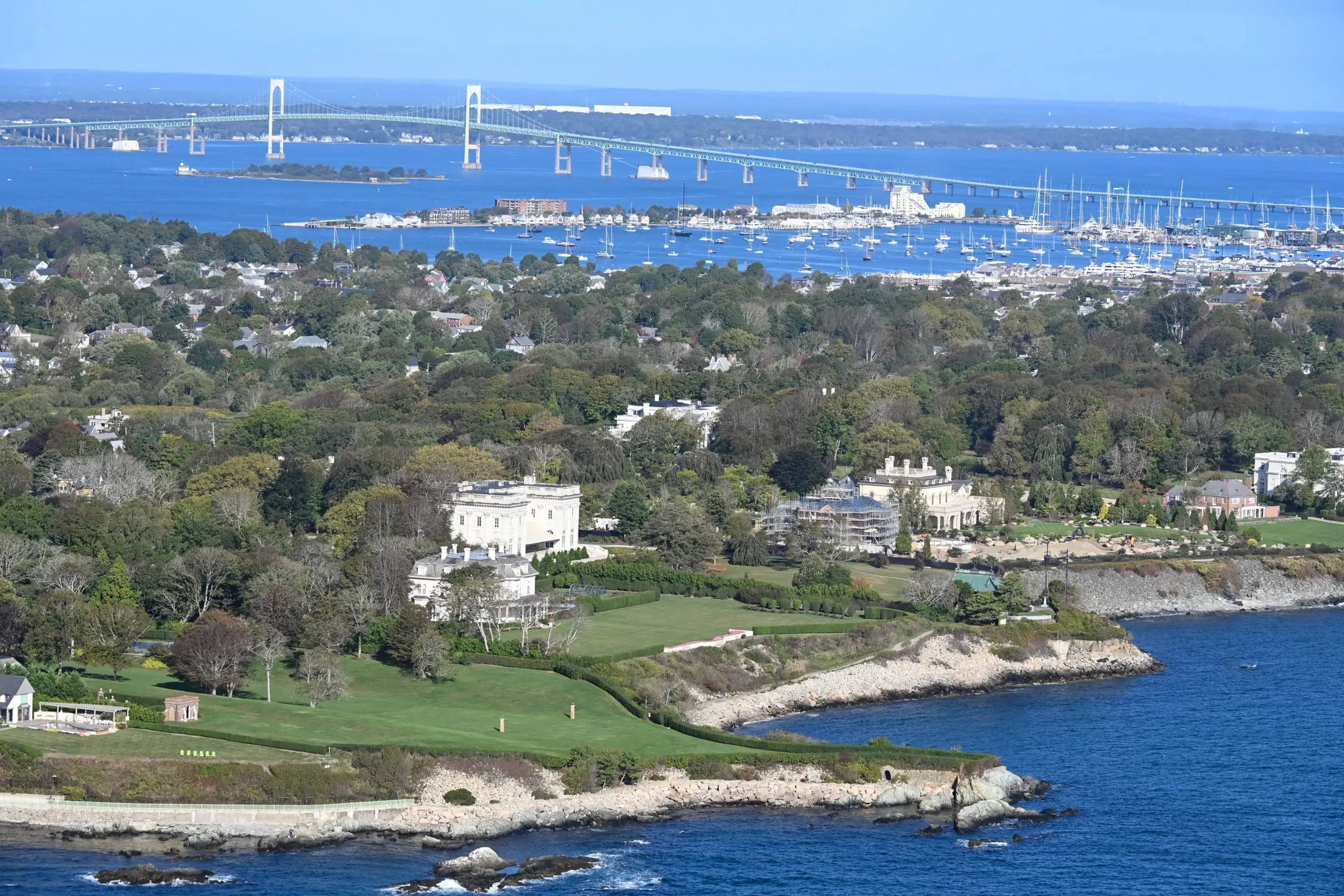
Buying a home in Rhode Island is an exciting opportunity, but navigating the real estate market can quickly become overwhelming.
Between mortgage interest rates, rising housing costs, competing offers, home inspections and unfamiliar paperwork, it's natural to have questions.
How much house can you actually afford? Are you overpaying? What happens if the home has hidden problems? How do you know which Rhode Island community is right for you?
Whether you're a first-time homebuyer, relocating to Rhode Island or searching for your next home in Tiverton, Portsmouth or Little Compton, understanding the buying process can help you avoid costly mistakes.
Here are seven things every Rhode Island homebuyer should know before beginning their home search.
1. What You Qualify For Isn't Necessarily What You Can Afford
One of the first steps to buying a home in Rhode Island is obtaining mortgage preapproval.
A mortgage lender can help you understand how much you may qualify to borrow based on your income, credit history, debt and financial circumstances.
However, your maximum approved purchase price doesn't necessarily reflect what you can comfortably afford.
When creating your homebuying budget, consider:
- Monthly mortgage payments
- Rhode Island property taxes
- Homeowners insurance
- Potential flood insurance
- Utilities
- Home maintenance and repairs
- Homeowners association fees, where applicable
- Emergency savings and other financial goals
Property taxes and insurance costs can vary considerably depending on where you purchase a home in Rhode Island.
Before beginning your search, establish a realistic monthly housing budget rather than focusing exclusively on your maximum purchase price.
2. Understand the Closing Costs of Buying a Home in Rhode Island
Many first-time homebuyers focus on saving for a down payment without realizing how much additional money may be needed to complete the purchase.
Closing costs generally range from approximately 2% to 5% of the purchase price, although actual expenses depend on your lender, financing, property and negotiated terms.
For example, if you're purchasing a $500,000 home in Rhode Island, your estimated closing costs could range from $10,000 to $25,000.
Potential homebuying expenses include:
- Mortgage origination fees
- Home appraisal fees
- Title insurance
- Attorney and settlement fees
- Prepaid property taxes and insurance
- Home inspection expenses
- Negotiated buyer-agent compensation, if applicable
- Moving expenses
First-time homebuyers may also qualify for assistance programs through organizations such as RIHousing.
Speak with a qualified mortgage lender to understand your financing options, eligibility requirements and estimated cash needed at closing.
3. Understand What Makes Coastal Rhode Island Real Estate Different
Rhode Island offers a variety of housing options, from historic homes and rural properties to waterfront residences and coastal communities.
If you're searching for homes for sale in Tiverton, Portsmouth or Little Compton, there are several property-specific considerations worth investigating.
Flood zones and insurance
Some coastal properties may be located within designated flood zones. Depending on your lender and the property's location, flood insurance may be required.
Understanding potential insurance costs before submitting an offer can help you avoid unexpected expenses.
Septic systems and private wells
Not every Rhode Island home is connected to municipal sewer and water services.
Properties with private septic systems or wells may require additional inspections, maintenance and testing.
Coastal development restrictions
Certain coastal properties may be subject to regulations affecting renovations, additions and future development.
If you plan to expand or significantly modify a property, investigate applicable restrictions before purchasing.
Older homes and maintenance
Rhode Island is known for its historic architecture and older homes.
While these properties can offer unique character, buyers should carefully evaluate heating systems, insulation, electrical systems, plumbing and structural condition.
Understanding these factors can help you evaluate the true cost of owning a home in Rhode Island.
4. The Highest Offer Doesn't Always Win in the Rhode Island Housing Market
When multiple buyers are interested in the same property, it's easy to assume the highest offer will automatically be accepted.
However, sellers often consider more than the purchase price.
Other factors may include:
- Strength of mortgage preapproval
- Financing terms
- Proposed closing date
- Inspection contingencies
- Appraisal contingencies
- Deposit amount
- Overall certainty of the transaction
A competitive offer should balance the seller's priorities with your own financial interests and protections.
Working with a Rhode Island real estate agent can help you evaluate comparable home sales, understand market conditions and develop an offer strategy without unnecessarily overextending yourself.
5. A Beautiful Home Can Still Have Hidden Problems
When browsing Rhode Island homes for sale, it's easy to focus on updated kitchens, beautiful bathrooms and attractive outdoor spaces.
However, cosmetic improvements don't necessarily reflect the condition of a home's major systems.
A professional home inspection can help identify potential concerns involving:
- Roof condition
- Foundation and structural components
- Electrical systems
- Plumbing
- Heating and cooling systems
- Moisture and water damage
- Ventilation and insulation
Depending on the property, additional inspections may be appropriate, including septic inspections, well water testing, radon testing or pest inspections.
Understanding a property's condition before closing can help you make a more informed purchasing decision and prepare for future maintenance expenses.
6. Waiting for Lower Mortgage Rates Isn't Always the Best Strategy
Many Rhode Island homebuyers are wondering whether they should purchase a home now or wait for mortgage interest rates to decrease.
While lower interest rates can improve affordability, they may also increase buyer demand and competition for available homes.
If home prices increase while you're waiting, some of the savings associated with a lower mortgage rate could be offset by a higher purchase price.
Instead of attempting to predict the Rhode Island housing market, consider:
- Your current financial readiness
- Your long-term housing needs
- Available properties within your budget
- Your expected length of homeownership
- Your ability to comfortably afford the monthly payment
Refinancing may be an option if mortgage rates decline in the future, but it isn't guaranteed and can involve additional costs.
The most important consideration is purchasing a home that you can comfortably afford under your original financing terms.
7. Finding the Right Rhode Island Community Is Just as Important as Finding the Right Home
Buying a home isn't simply about choosing a property. It's also about finding a location that supports your lifestyle and long-term goals.
If you're exploring real estate in Rhode Island's East Bay and Farm Coast, consider what each community offers.
Buying a home in Tiverton, Rhode Island
Tiverton offers a mix of coastal properties, residential neighborhoods, rural landscapes and access to southeastern Massachusetts.
Buying a home in Portsmouth, Rhode Island
Located on Aquidneck Island, Portsmouth offers waterfront areas, residential communities and access to Newport and surrounding destinations.
Buying a home in Little Compton, Rhode Island
Little Compton is known for its agricultural landscapes, coastal scenery, historic character and lower-density development.
When comparing Rhode Island communities, consider factors such as:
- Commute and transportation options
- Property taxes
- Access to amenities
- Housing availability
- Property characteristics
- Recreation and outdoor activities
- Your personal lifestyle preferences
Exploring different communities before committing to a property can help you find a home that aligns with your needs.
Do You Need a Real Estate Agent to Buy a Home in Rhode Island?
While buyers can search for properties independently, purchasing a home involves much more than finding a listing online.
A real estate agent can help you:
- Understand local housing market conditions
- Evaluate comparable property sales
- Identify potential property concerns
- Develop an offer strategy
- Negotiate purchase terms
- Coordinate inspections and transaction deadlines
- Navigate the process from your initial search through closing
Before touring homes with an agent, make sure you understand the services being provided, your representation agreement and negotiable compensation.
Having the right guidance can help you navigate the process with greater clarity and confidence.
Ready to Start Your Rhode Island Home Search?
Whether you're buying your first home, relocating to Rhode Island, searching for a coastal property or preparing for your next chapter, you don't need to have everything figured out before reaching out.
I work with homebuyers throughout Tiverton, Portsmouth, Little Compton and surrounding Rhode Island communities to help them understand their options and make informed real estate decisions.
Let's discuss your budget, preferred locations, housing needs and timeline so we can develop a homebuying strategy that works for you.
Schedule your complimentary Rhode Island homebuyer consultation today.
This article is intended for educational purposes. Consult qualified mortgage, legal and inspection professionals for guidance specific to your transaction.
Sources and further reading
- Consumer Financial Protection Bureau: Budgeting for down payment and closing costs (2–5% general estimate, not a Rhode Island-specific quote)
- RIHousing: Homebuyer financing and assistance
- FEMA: Flood insurance information
- Rhode Island DEM: Septic systems and environmental information
- Rhode Island Department of Health: Private well and radon information
- Rhode Island Coastal Resources Management Council
- Town of Tiverton
- Town of Portsmouth
- Town of Little Compton